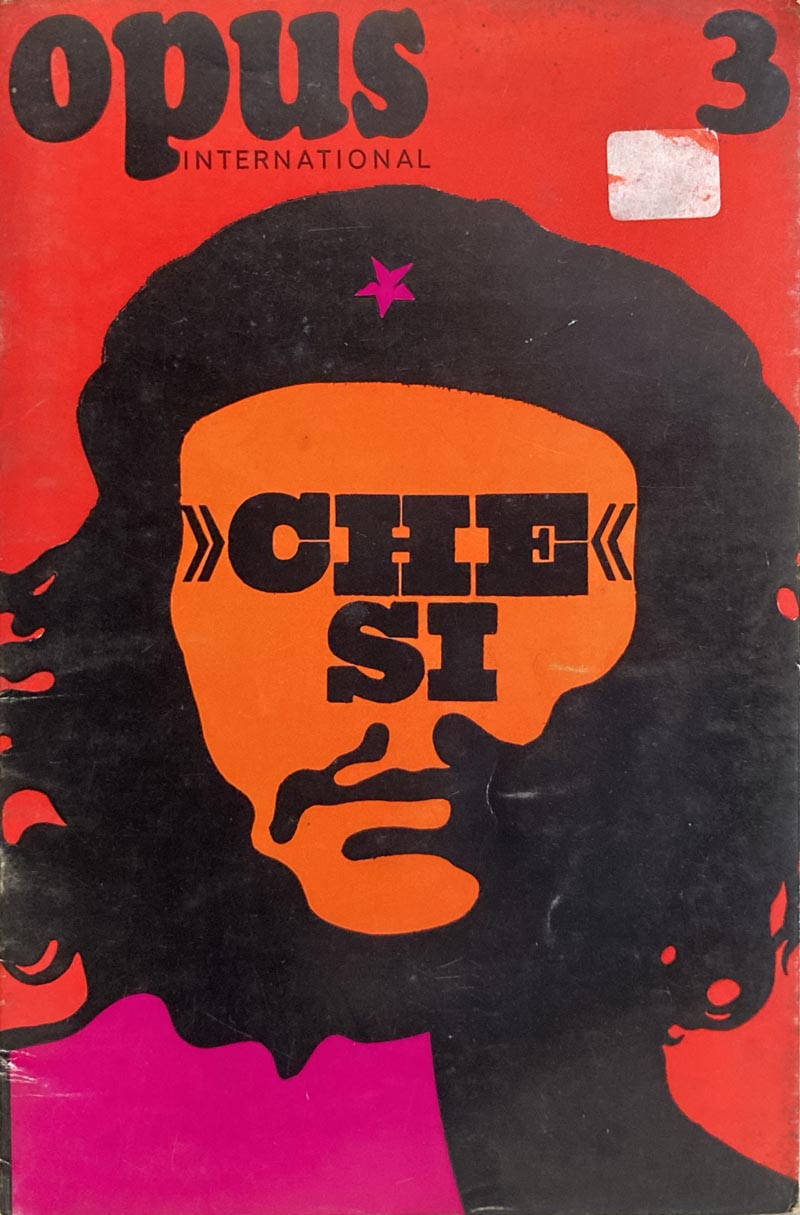
Exploring the cultural exchange between Cuban communism and the French avant-garde.
In 1950s Paris anti-Stalinism was causing a sharp decline in the otherwise popular French communist party, and there was increasing interest in the alternative model in Cuba. Meanwhile many Cuban artists were looking to Paris for progressive cultural inspiration, most prominently Wilfredo Lam and Lolo Soldevilla who became the primary conduits. In 1951 the Musée Nationale d'Art Moderne held an exhibition "Art Cubain Contemporain", and in 1956 it's counterpart was held in Havana "Pintura de Hoy. Vanguardia de la Escuela de Paris" curated by Soldevilla at the Palacio Bellas Artes. The back and forth flow of artists and writers continued over the decade, with Sartre and de Beauvoir visiting in 1960 and declaring their admiration. In 1967 Lam and Carlos Franqui, editor of "Revolución" newspaper, organised for the Parisian "Salon de Mai" annual contemporary art exhibition to be held in Havana, inviting 100 artists and intellectuals from Europe. Many of the artists participated in the collaborative mural "Cuba Colectiva" which became the focal point of the show.